


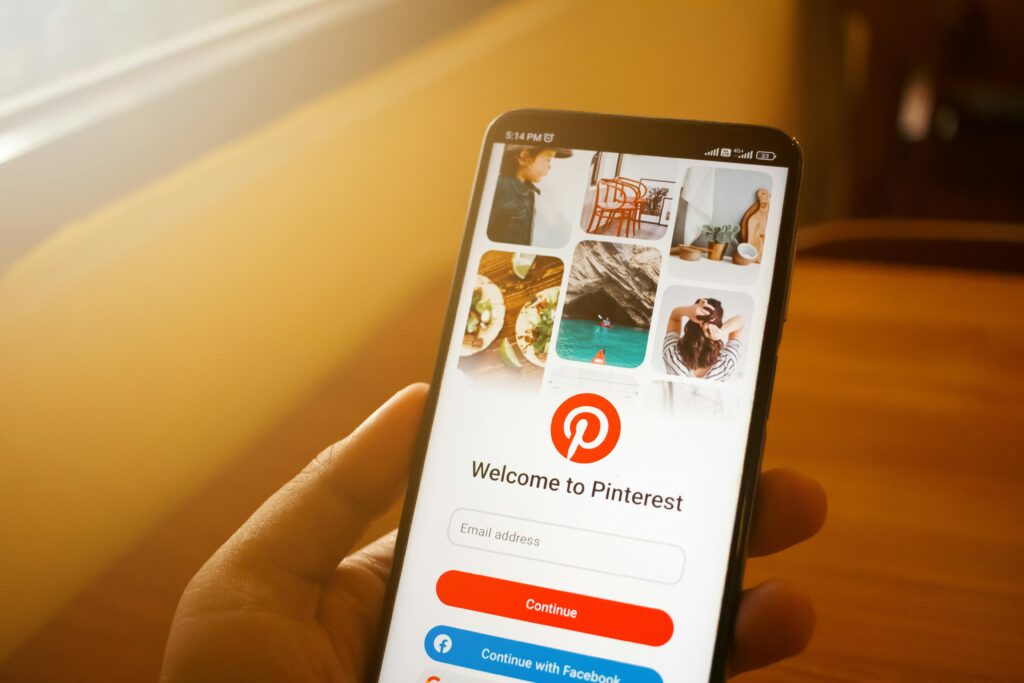
If you spend enough time in digital marketing circles, you eventually notice something strange. Everybody talks about TikTok growth, YouTube automation, AI tools, Instagram reels, and whatever shiny new online hustle appeared three days ago. Meanwhile, Pinterest quietly continues sending millions of clicks across the internet every single day without demanding constant attention, endless posting, or influencer-level charisma.
That is exactly why a smart Pinterest strategy for affiliate marketing still works so well in 2026.
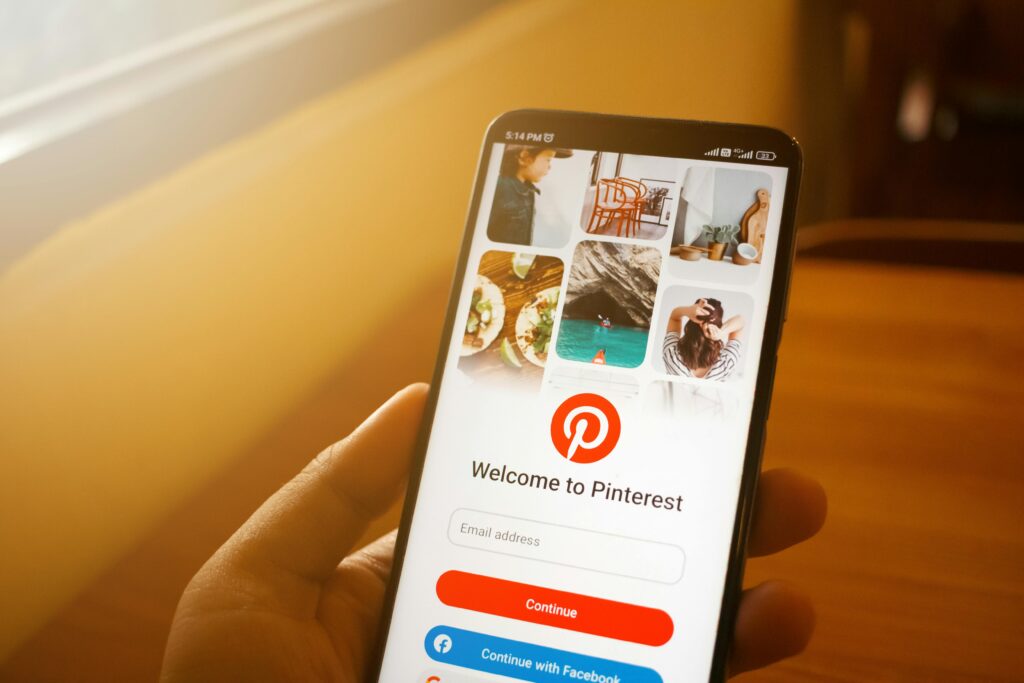
Most people underestimate Pinterest because the platform looks soft around the edges. It feels calm compared to the chaos of modern social media. Open the app and you will see aesthetic kitchens, minimalist bedrooms, skincare routines, recipes, office setups, and mood boards with suspiciously perfect lighting. It does not immediately scream “affiliate income.”
But appearances are misleading.
Pinterest is not really social media in the traditional sense. It behaves much more like a visual search engine, and that distinction changes everything about how affiliate marketing works on the platform. People are not opening Pinterest just to kill time. They are searching with intent. They want ideas, products, inspiration, solutions, and recommendations.
That buying intent is what makes a strong Pinterest strategy for affiliate marketing incredibly powerful for beginners and intermediate marketers alike.
Someone searching “best home office setup for small apartments” is already halfway toward making a purchase decision. Someone typing “easy meal prep ideas for weight loss” is actively looking for guidance. Pinterest users arrive with problems they want solved, and affiliate marketers who create genuinely useful content can position themselves directly in front of that demand.
Unlike Instagram or TikTok posts that disappear into the algorithmic void after a few hours, Pinterest content can continue generating traffic for months or even years. A single optimized pin connected to a helpful article can quietly produce affiliate commissions long after you forget you even published it.
That kind of evergreen traffic is becoming increasingly rare online.
Why Pinterest Affiliate Marketing Still Works in 2026
The biggest reason Pinterest affiliate marketing continues working is simple: Pinterest rewards useful searchable content instead of short-term attention spikes.
Most platforms today are built around engagement loops. They want outrage, fast reactions, emotional extremes, and endless scrolling. Pinterest operates differently because users actively search for things they want to learn, improve, organize, buy, or achieve.
That search behavior creates an environment where affiliate marketing feels natural instead of intrusive.
Think about the difference between these two situations:
On Instagram, someone randomly interrupts your scrolling experience with a product recommendation you never asked for.
On Pinterest, you searched “best standing desk for back pain,” clicked an article comparing standing desks, and discovered a recommendation that genuinely helps solve your problem.
Those experiences feel completely different psychologically.
This is why a well-structured Pinterest strategy for affiliate marketing often converts better than aggressive social selling tactics. Pinterest traffic usually arrives with intent, curiosity, and openness to recommendations.
That matters enormously in affiliate marketing.
What Is a Pinterest Strategy for Affiliate Marketing?
At its core, a Pinterest strategy for affiliate marketing involves creating Pinterest content designed to attract search traffic and guide users toward affiliate offers naturally through valuable content.
The process itself is surprisingly straightforward:
| Step | What Happens |
|---|---|
| User searches Pinterest | Looking for inspiration or solutions |
| Your pin appears | Optimized using Pinterest SEO |
| User clicks your content | Usually a blog post |
| Helpful content builds trust | Product recommendations feel natural |
| User clicks affiliate links | You earn commissions |
Simple systems often work best online.
The challenge is not understanding the model. The challenge is consistency, patience, and learning how Pinterest SEO actually works.
Many beginners fail because they treat Pinterest like social media instead of treating it like Google with images. They focus entirely on aesthetics while ignoring search intent and keyword optimization. Beautiful graphics help, but Pinterest first needs to understand your content before it can show it to anyone.
That is where Pinterest SEO becomes the real engine behind affiliate growth.
Pinterest SEO Tips for Affiliates That Actually Matter
The phrase “Pinterest SEO” sounds technical until you realize it mostly revolves around clarity and relevance.
Pinterest wants context. It analyzes your:
- pin titles,
- descriptions,
- boards,
- keywords,
- image text,
- URLs,
- and blog content
…to determine where your content belongs.
This is why your focus keyword, Pinterest strategy for affiliate marketing, should appear naturally throughout your content. Pinterest and Google both use those signals to understand topical relevance.
Related keywords also strengthen SEO performance, including:
- Pinterest affiliate marketing,
- Pinterest SEO tips for affiliates,
- Pinterest traffic strategy,
- Pinterest affiliate links,
- Pinterest content strategy for affiliates,
- and Pinterest affiliate marketing for beginners.
Specificity almost always performs better than vague curiosity-based wording.
For example:
“Pinterest Strategy for Affiliate Marketing for Beginners” is far stronger than:
“This Changed My Income Forever.”
One provides searchable context.
The other sounds like a suspicious YouTube ad filmed beside a rented Lamborghini.

The Best Pinterest Niches for Affiliate Marketing
Not every niche performs equally well on Pinterest. Some topics naturally thrive because Pinterest users already search heavily within those categories.
The strongest Pinterest niches usually combine:
- visual appeal,
- strong buying intent,
- evergreen demand,
- and affiliate-friendly products.
Here are some of the best-performing niches for affiliate marketing on Pinterest:
| Niche | Why It Works |
|---|---|
| Home decor | Visual and highly product-driven |
| Beauty & skincare | Strong affiliate conversion rates |
| Fitness & wellness | Evergreen demand |
| Side hustles | Growing search interest |
| Productivity | Excellent software affiliate offers |
| Personal finance | High-value affiliate programs |
| Recipes & food | Massive Pinterest audience |
| Blogging | Strong digital product ecosystem |
| DIY projects | High engagement potential |
| Fashion | Trend-based purchasing behavior |
The best niche is usually one where:
- people actively spend money,
- Pinterest users already search heavily,
- and you can consistently create useful content.
Because consistency matters far more than most beginners realize.
Pinterest rewards creators who continue publishing fresh, optimized content over time.
Do You Need a Blog for Pinterest Affiliate Marketing?
Technically, no.
Realistically, having a blog makes your entire Pinterest strategy for affiliate marketing much stronger.
Yes, Pinterest allows direct affiliate links in certain situations. However, relying entirely on direct affiliate linking creates limitations:
- lower trust,
- weaker conversions,
- affiliate policy risks,
- and less long-term brand authority.
A blog gives your strategy stability.
More importantly, it allows you to educate users before recommending products. That educational layer dramatically improves conversion rates because recommendations feel genuinely helpful instead of aggressively promotional.
Compare these two approaches:
- “BUY THIS PRODUCT NOW!”
- “10 Affordable Desk Setup Ideas for Small Apartments”
One feels like advertising.
The other feels useful.
Useful content wins long term.
This is why many successful Pinterest affiliate marketers build WordPress websites alongside Pinterest accounts. Combining Pinterest traffic with blog content creates a system capable of generating evergreen affiliate income over time.
You can also strengthen your SEO knowledge directly through:
Google Search Central
And for Pinterest keyword trends:
Pinterest Trends
How Many Pinterest Pins Should You Post Daily?
This question has fueled years of bad advice online.
Some creators still recommend posting fifty pins daily, which sounds exhausting even to read.
Pinterest has evolved significantly. Today, freshness and relevance matter more than overwhelming volume. For most beginners, publishing between three and ten fresh pins daily is usually enough, especially if those pins connect to high-quality keyword-optimized content.
Fresh pins simply mean new visual variations.
Pinterest prefers variety because it improves user experience and prevents repetitive spam-like behavior. Creating multiple pin designs for the same blog post is often far more effective than endlessly reposting identical graphics.
Consistency matters more than intensity.
A creator publishing five quality pins daily for six months will almost always outperform someone posting aggressively for one week before disappearing completely.
What Types of Pinterest Pins Convert Best?
Some pins generate impressions.
Others generate clicks and affiliate commissions.
The difference usually comes down to clarity, curiosity, and problem-solving.
The highest-performing affiliate pins often include:
- list-style headlines,
- tutorials,
- product comparisons,
- before-and-after visuals,
- and solution-focused content.
Examples include:
- “7 Amazon Kitchen Products Worth Buying”
- “Best Pinterest Tools for Affiliate Marketing Beginners”
- “10 Small Apartment Desk Setup Ideas”
- “Pinterest SEO Tips for Affiliates”
Pinterest users love practical value.
Good pins immediately communicate:
- what the content is about,
- who it helps,
- and why it matters.
That clarity improves click-through rates dramatically.

Best Tools for Pinterest Affiliate Marketing
You do not need expensive software to succeed, but several tools genuinely make Pinterest affiliate marketing easier.
| Tool | Purpose |
|---|---|
| Canva Pro | Pinterest graphic design |
| Tailwind | Scheduling and analytics |
| KeySearch | Keyword research |
| Ahrefs | Competitor analysis |
| SEMrush | SEO insights |
| WordPress | Website management |
| ConvertKit | Email marketing |
| Google Analytics | Traffic tracking |
For beginners, Canva Pro and Tailwind are often enough to start building a strong Pinterest workflow without becoming overwhelmed.
You can also explore more Pinterest marketing insights through:
Pinterest Business Resources
If you already have related content on your website, internally linking articles like:
- “Best Affiliate Marketing Strategies for Beginners”
- “How to Start a Profitable Blog”
- “Pinterest SEO Guide for Beginners”
- and “Best Affiliate Programs for Content Creators”
…can strengthen your website’s SEO authority significantly.
How Long Does It Take to Make Money With Pinterest Affiliate Marketing?
Usually several months.
That answer disappoints people hoping for overnight results, but it is also what makes Pinterest sustainable long term.
Most successful Pinterest affiliate marketers spend:
- three to six months learning Pinterest SEO,
- creating optimized content,
- publishing fresh pins,
- and understanding audience behavior.
Then momentum starts compounding.
One interesting thing about Pinterest traffic is that older content can suddenly explode months later. A pin that barely received impressions initially might suddenly gain traction because Pinterest finally connected it with the right search audience.
That delayed growth pattern is very common on Pinterest.
And honestly, it is part of what makes the platform uniquely valuable for affiliate marketers focused on long-term traffic rather than temporary viral spikes.
Final Thoughts on Pinterest Strategy for Affiliate Marketing
The reason a strong Pinterest strategy for affiliate marketing continues working in 2026 is surprisingly simple: Pinterest still rewards usefulness.
While most online platforms compete for attention through noise and constant stimulation, Pinterest remains built around discovery, planning, and problem-solving. That creates enormous opportunities for creators willing to produce genuinely valuable content consistently.
The affiliate marketers quietly succeeding on Pinterest are usually not internet celebrities. Most are simply creating:
- useful blog posts,
- keyword-optimized pins,
- searchable evergreen content,
- and honest product recommendations.
That approach may sound almost boring compared to flashy online marketing trends, but boring systems often build the most reliable income.
If you are starting today, keep things simple. Learn Pinterest SEO, choose a niche carefully, create content around searchable problems, and focus on helping people make better decisions.
Because successful affiliate marketing is rarely about manipulation.
It is usually just useful information delivered at exactly the right moment.
YOU CAN ALSO READ: How to Drive Traffic for Affiliate Marketing in 2026
Disclaimer:
Some of the links in this article are affiliate links, which means I may earn a small commission if you choose to purchase through them – at no extra cost to you. I only recommend tools, platforms, and resources that I genuinely believe are useful for affiliate marketers, bloggers, and online business beginners. Affiliate marketing helps support the time, research, and effort that goes into creating detailed free content like this. That said, you should always do your own research before making any financial or business decisions online.